


 0
0

L-Carnitine: Benefits, Dosage and Side Effects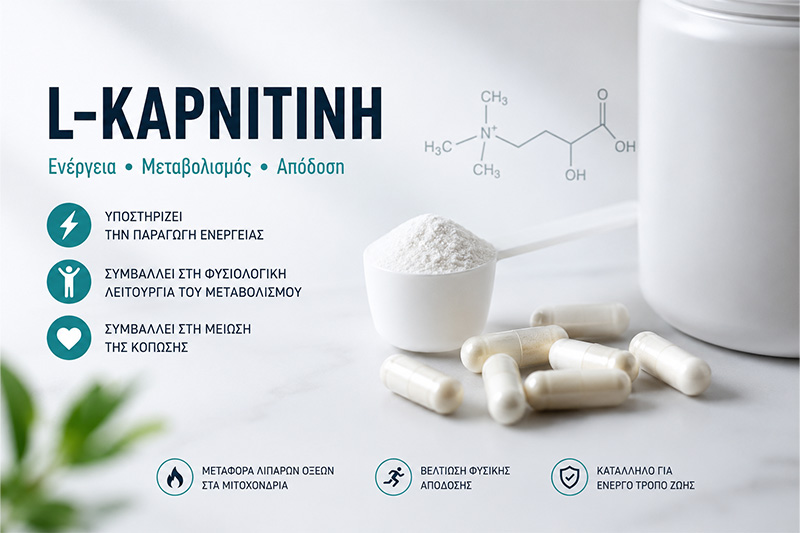 What Is L-Carnitine?L-carnitine is an amino acid derivative rather than one of the amino acids directly used to build proteins. It is synthesised mainly in the liver, kidneys and brain from the amino acids lysine and methionine. Approximately 95% of the body’s total carnitine is found in skeletal and cardiac muscle. Smaller amounts are present in the liver, kidneys and bloodstream. The term “carnitine” includes several related compounds, such as:
The biologically active form is L-carnitine. D-carnitine is not considered a suitable dietary form because it does not have the same physiological function and may interfere with L-carnitine metabolism. How Does L-Carnitine Work?The primary function of L-carnitine is to participate in the transport of long-chain fatty acids from the cytoplasm into the mitochondria. Fatty acids cannot freely cross the inner mitochondrial membrane. Their transport requires a system of enzymes and transporters known as the carnitine transport system or carnitine shuttle. Inside the mitochondria, fatty acids can undergo beta-oxidation and contribute to the production of adenosine triphosphate, or ATP. ATP is the main immediately available form of energy used for cellular functions and muscle contraction. Carnitine also participates in the removal of certain metabolic by-products from the mitochondria. Does Its Role in Fat Metabolism Mean Greater Fat Loss?Not necessarily. The normal amount of carnitine present in the muscles of a healthy person may already be sufficient for this mechanism to function properly. Therefore, an increase in blood carnitine levels after taking a supplement does not necessarily mean that carnitine concentrations inside the muscles also increase. The absorption of supplemental L-carnitine is relatively limited. According to available pharmacokinetic data, approximately 14–18% of supplemental carnitine is absorbed, whereas carnitine obtained from food has a higher bioavailability of approximately 63–75%. Natural Sources of L-CarnitineL-carnitine is found mainly in foods of animal origin. Red meat is the richest dietary source, while smaller amounts are present in dairy products, fish and poultry. Indicative amounts of carnitine include:
Plant-based foods generally contain very small amounts. Nevertheless, even when following a strictly vegetarian diet, the bodies of most healthy individuals can synthesise sufficient amounts of carnitine. Forms of L-Carnitine in SupplementsStandard L-CarnitineThis is the basic form and is used both in dietary supplements and in certain medical applications. It is available in capsules, tablets, powders, liquid formulations and single-dose products. L-Carnitine L-TartrateL-carnitine L-tartrate, also known as LCLT, is a salt formed from L-carnitine and tartaric acid. It is frequently used in sports nutrition products and has primarily been investigated in studies relating to muscular stress and recovery. The amount of the total L-tartrate salt is not necessarily identical to the amount of pure L-carnitine. For example, the statement “2,000 mg L-carnitine L-tartrate” does not always mean that the product provides 2,000 mg of pure L-carnitine. The label should clearly state the actual amount of L-carnitine provided. Acetyl-L-CarnitineAcetyl-L-carnitine, commonly known as ALCAR, is an acetylated form of carnitine. It has been studied more extensively in relation to the nervous system and cognitive function than as a conventional sports supplement. The available evidence regarding its use in people with cognitive impairment is mixed and does not support its routine use for the prevention or treatment of dementia without medical supervision. Propionyl-L-CarnitinePropionyl-L-carnitine has mainly been investigated in clinical fields associated with blood circulation rather than as a general fat-loss supplement. There is insufficient evidence to demonstrate that any of the above forms is universally “better” for every individual or objective. L-Carnitine and Weight LossL-carnitine is frequently promoted as a fat-burning product because it participates in transporting fatty acids into the mitochondria. However, body fat reduction primarily depends on long-term energy balance. For body fat to decrease, energy expenditure must exceed energy intake over time. L-carnitine cannot replace an appropriate calorie deficit, adequate protein intake, physical activity and sufficient sleep. Meta-analyses of randomised clinical trials have reported a small average reduction in body weight of approximately 1–1.3 kg more than the reduction observed in control groups. The effect appears to be more noticeable in people who are overweight or have obesity. However, the results demonstrate substantial heterogeneity, and several studies included additional interventions such as calorie-restricted diets, exercise or medication. L-carnitine should therefore not be presented as a supplement that produces substantial or independent fat loss. What Does the Research Mean in Practice?The potential effect on body weight is:
The EFSA has not established that L-carnitine intake is necessary for maintaining normal lipid metabolism in healthy individuals. Within the European Union, commercial health claims used for foods and supplements must comply with the European Register of Authorised and Non-Authorised Health Claims. L-Carnitine and Exercise PerformanceThe potential effect of L-carnitine on performance has been investigated in aerobic exercise, high-intensity interval training, cycling, resistance training and repeated sprint exercise. The results are inconsistent. Certain studies have reported improvements in parameters such as:
Other studies have not observed meaningful changes in endurance, total work performed, peak power output or perceived fatigue. A systematic review of 11 randomised trials concluded that the evidence regarding high-intensity exercise was mixed, while no improvement in performance was identified during moderate-intensity exercise. A more recent randomised, double-blind study published in 2025 investigated the acute intake of 3 grams of L-carnitine L-tartrate before a CrossFit workout. No improvement was observed in the number of repetitions, perceived fatigue or changes in blood pressure compared with placebo. Why Are the Results Conflicting?An important limitation is that an increase in blood carnitine levels does not guarantee a meaningful increase in carnitine concentrations inside muscle tissue. In one well-known study, the daily consumption of L-carnitine together with a large amount of carbohydrates for 24 weeks increased muscle carnitine concentrations and altered fuel metabolism during exercise. However, the protocol required long-term supplementation and a high carbohydrate intake, which limits its practical application in body-weight management programmes. Overall, L-carnitine is not considered a supplement with consistent and predictable ergogenic effects, unlike other substances supported by stronger evidence. L-Carnitine and Muscle RecoveryThe evidence regarding muscle recovery is more encouraging than the evidence regarding an immediate improvement in exercise performance. A 2025 meta-analysis included 14 randomised clinical trials involving a total of 284 participants. The doses ranged from 1 to 3 grams per day, while the duration of supplementation ranged from a single dose to eight weeks. The analysis reported:
These findings suggest a potential reduction in certain markers of exercise-induced muscle stress. However, they do not necessarily demonstrate faster recovery of muscular strength or improved athletic performance. An earlier meta-analysis also reported a potential reduction in delayed-onset muscle soreness and certain biochemical markers. The results appeared to be more noticeable in untrained individuals and following resistance training. Clinical Carnitine DeficiencyThe use of L-carnitine in a diagnosed deficiency differs substantially from its use as a general sports nutrition supplement. There are two main categories of carnitine deficiency. Primary Carnitine DeficiencyPrimary carnitine deficiency is a rare genetic disorder affecting the carnitine transport system. It may cause serious manifestations such as myopathy, cardiomyopathy, hypoglycaemia, cardiac rhythm disturbances and neurological complications. Secondary Carnitine DeficiencySecondary carnitine deficiency may occur in specific medical conditions, in patients with end-stage kidney disease or undergoing haemodialysis, and during the use of certain medications. In these cases, L-carnitine may be administered at therapeutic doses under medical supervision. Therapeutic doses should not be confused with the dosages used in commercially available supplements. L-Carnitine DosageNo official recommended daily intake of L-carnitine has been established for healthy individuals because the body can usually synthesise sufficient amounts. An official tolerable upper intake level has also not been established. Studies relating to sports nutrition and weight management have commonly used amounts ranging from 1 to 3 grams per day. Some research protocols have used doses of up to 4 grams, but higher amounts increase the likelihood of gastrointestinal side effects. A conservative practical approach for a healthy adult may include:
Amounts used to treat clinical carnitine deficiency must be determined exclusively by a physician. When Should L-Carnitine Be Taken?There is no strong evidence demonstrating that taking L-carnitine 30 or 60 minutes before exercise is superior to taking it at another time of day. Unlike caffeine, L-carnitine does not function as an immediate stimulant. Acute supplementation before a single workout does not reliably increase muscle carnitine concentrations or improve exercise performance. Consistent daily intake has greater research support than occasional use only on training days. For improved gastrointestinal tolerance, the daily amount may be divided into two smaller doses and taken with meals. Is Cycling or a Break Necessary?There is insufficient evidence to suggest that L-carnitine must be used in cycles or that planned supplementation breaks are necessary. However, its use should be reassessed when no objective benefit has been observed after a reasonable period. Long-term supplementation without a specific objective is not considered necessary for a healthy individual. Side Effects and SafetyL-carnitine is generally considered well tolerated at the amounts used in most supplements. Adverse effects occur more frequently at higher doses. Amounts of approximately 3 grams per day may cause:
A potential worsening of muscle weakness has also been reported in people with uraemia, together with an increased risk of seizures in individuals with a history of seizure disorders. L-Carnitine and TMAOSome of the L-carnitine that is not absorbed may be metabolised by intestinal bacteria and contribute to the formation of trimethylamine. Trimethylamine is converted in the liver into trimethylamine N-oxide, commonly known as TMAO. Elevated TMAO concentrations have been associated with an increased cardiovascular risk in observational studies. However, it has not been demonstrated that the use of L-carnitine supplements directly causes cardiovascular events in healthy individuals. TMAO production varies significantly according to the composition of the intestinal microbiome, dietary habits and kidney function. More recent research indicates that specific microbial populations may largely determine the increase in TMAO following L-carnitine intake. The long-term clinical significance of this mechanism remains under investigation. Interactions With MedicationsCertain medications may affect carnitine concentrations or create specific monitoring requirements. Antiepileptic MedicationsValproic acid, phenobarbital, phenytoin and carbamazepine may reduce blood carnitine concentrations. L-carnitine is used in certain cases of valproic acid toxicity. However, this represents a medical treatment and not the unsupervised use of a dietary supplement. Pivalate-Containing AntibioticsLong-term use of certain antibiotics containing pivalate may increase carnitine excretion and reduce carnitine concentrations. Individuals receiving long-term medication should consult a physician or pharmacist before starting supplementation. Who Should Consult a Physician?Medical guidance is necessary before use in:
Pregnancy, breastfeeding and clinical medical conditions are not appropriate situations for the unsupervised use of high doses. Who May Benefit the Most?The strongest evidence supporting L-carnitine use relates to individuals with a diagnosed primary or secondary deficiency, for whom supplementation is administered according to a medical protocol. Within sports nutrition, a potential benefit may be observed in:
In contrast, a healthy and well-nourished athlete should not expect a dramatic increase in energy, endurance or fat burning. How Should an L-Carnitine Supplement Be Selected?The following factors should be evaluated when assessing a product. Actual Amount per Daily DoseThe most important information is the number of milligrams of L-carnitine provided per dose, rather than the total amount contained in the entire bottle. The statement “100,000 mg” on the front of a liquid product may refer to the total amount contained in the package rather than the amount provided in a single daily dose. Form of CarnitineThe product should clearly indicate whether it contains:
Amount of Pure L-CarnitineProducts containing carnitine salts should specify whether the stated dosage refers to the total weight of the salt or to the actual amount of L-carnitine provided. Liquid Products or Capsules?There is no reliable evidence demonstrating that liquid L-carnitine produces greater fat loss or better performance than capsules or powder when the actual dose is the same. The choice should mainly be based on:
Added Sugar and CaloriesCertain liquid products or ready-to-drink formulations may contain sugar, carbohydrates or other energy-providing ingredients. These should be taken into account when the primary objective is body-weight reduction. Frequently Asked QuestionsIs L-Carnitine a Fat Burner?L-carnitine participates in the normal metabolism of fatty acids, but it does not function as a powerful or immediate fat burner. The average effect on body weight reported in studies is small. Does It Increase Energy?L-carnitine is not a stimulant and does not produce the immediate feeling of alertness associated with caffeine. Its participation in energy production is a normal cellular function and does not mean that taking a supplement will be immediately perceived as “more energy.” Should It Be Taken Before Exercise?Taking L-carnitine immediately before exercise has not been shown to provide a consistent advantage. Daily consistency is likely to be more important than the exact timing of supplementation. Should It Be Taken on an Empty Stomach?There is no requirement to take L-carnitine on an empty stomach. Taking it with a meal may reduce nausea or stomach discomfort. Can Women Use L-Carnitine?Yes. L-carnitine is not a supplement intended exclusively for men. Its effectiveness and the necessary precautions depend on the person’s health status and objective, rather than their sex. Should It Be Taken on Rest Days?Most long-term research protocols involve daily supplementation. Occasional use only before exercise is not strongly supported by evidence. Can It Be Combined With Caffeine?There is no known general restriction for healthy adults. However, caffeine is a stimulant and should be assessed separately in relation to total daily intake, blood pressure, anxiety and sleep. Does It Cause Water Retention?L-carnitine is not known to cause the intramuscular water retention associated with creatine. Changes in body weight should be evaluated in relation to dietary intake, carbohydrate and sodium consumption, and overall hydration. ConclusionL-carnitine is a naturally occurring compound with an important role in the transport of fatty acids and cellular energy metabolism. The bodies of most healthy individuals can produce sufficient amounts, meaning that supplemental intake is not necessary for everyone. Scientific evidence indicates that:
L-carnitine may serve as a supplementary tool in specific situations. However, it should not be presented as a product that independently causes substantial fat burning, an immediate increase in energy or a guaranteed improvement in athletic performance. References
|




(c) toubanaki.gr - All rights reserved - By: Hyper Center -