


 0
0

Ashwagandha for Stress, Cortisol, Testosterone and Performance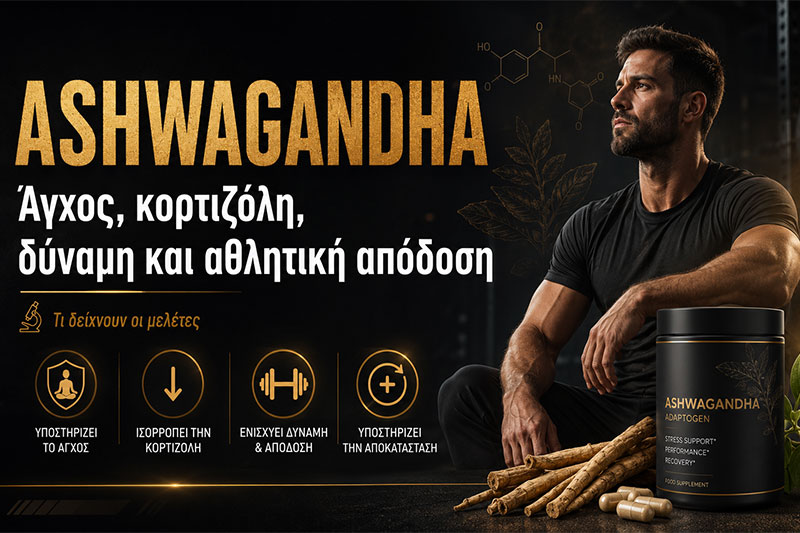 What is ashwagandha? Ashwagandha, or Withania somnifera, is a botanical traditionally used in Ayurvedic practice. Supplements may contain root, leaf or combined extracts and are often standardised for compounds called withanolides. The term “adaptogen” is commonly used, but it does not mean that ashwagandha automatically balances every hormone or treats “adrenal fatigue.” Ashwagandha products are generally included in the stress and anxiety support category. Stress and cortisolA 2024 meta-analysis reported improvements in perceived stress and anxiety scores, together with a reduction in cortisol compared with placebo. However, the included trials used different extracts, doses and study durations. A 2025 analysis found a significant cortisol reduction but no consistent improvement in perceived stress. Lower cortisol therefore does not guarantee a noticeable psychological effect. Ashwagandha is not an established treatment for anxiety disorders, panic attacks or depression. SleepA meta-analysis of five trials involving 400 adults found a small improvement in overall sleep. Effects were more apparent in people with insomnia, with study durations of at least eight weeks and doses of 600 mg per day or more. It may therefore be included in sleep-support supplements, but it should not replace assessment for chronic insomnia or sleep apnoea. Testosterone and strengthSome trials have reported modest testosterone increases in men. A 2026 meta-analysis found an average increase in male participants but not in women. The evidence was heterogeneous and does not establish ashwagandha as a treatment for low testosterone. Small resistance-training trials have also reported greater gains in strength or muscle mass than placebo. However, the studies used different extracts and relatively small samples. Products marketed for testosterone support should not replace hormone testing or medical evaluation. DosageClinical trials commonly use approximately 240–600 mg of standardised extract per day for 6–12 weeks. Products cannot be compared by milligrams alone because they may differ in plant part, extraction ratio and withanolide concentration. There is no established ideal time of day. Evening use may suit people who experience relaxation or drowsiness. SafetyShort-term use for up to approximately three months may be safe for many healthy adults, but long-term safety is not established. Possible side effects include drowsiness, stomach upset, diarrhoea and vomiting. Rare cases of liver injury have also been reported. Ashwagandha should be avoided during pregnancy and breastfeeding and requires professional guidance in thyroid disease, autoimmune disorders, liver disease and before surgery. It may interact with thyroid medication, sedatives, anticonvulsants, immunosuppressants and medicines for diabetes or blood pressure. ConclusionAshwagandha has encouraging evidence for modest reductions in stress and cortisol and small improvements in sleep. It may also support testosterone or strength in selected male populations, but it is not a proven hormonal treatment or universal sports supplement. Extract quality, dosage, medical history and possible interactions remain important. References
|




(c) toubanaki.gr - All rights reserved - By: Hyper Center -