


 0
0

L-Theanine: Relaxation, Focus, Sleep and Caffeine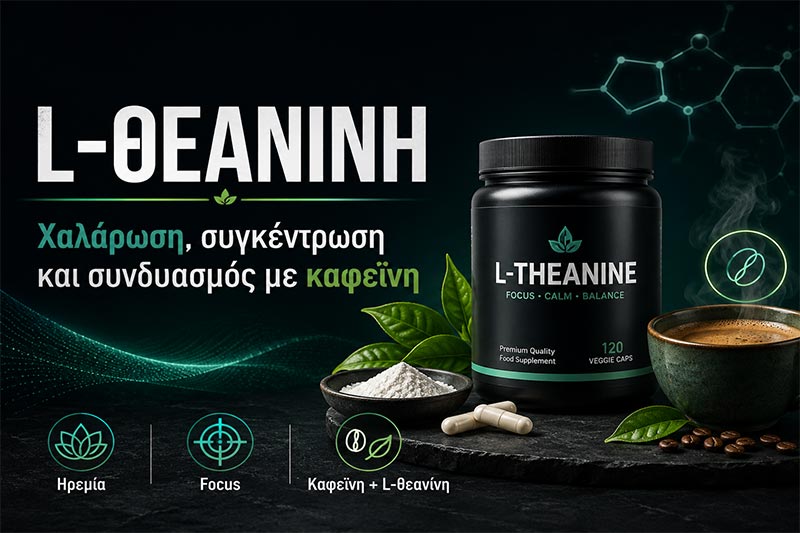 L-theanine is a non-protein amino acid naturally present in the leaves of Camellia sinensis, the plant used to produce green, black, white and matcha tea. It is not an essential amino acid and is not used as a primary building block for muscle protein. Research has focused on relaxation, acute stress responses, attention, sleep and combinations with caffeine. Findings are promising in selected outcomes but remain inconsistent because most trials are small, short and use different formulations and doses. Relaxation without strong sedationSeveral small trials report increased alpha-band brain activity after L-theanine. Alpha activity is commonly associated with a relaxed but awake state. A randomised triple-blind crossover trial found that a single 200 mg dose increased frontal and whole-scalp alpha power following an acute stress challenge. This does not demonstrate that L-theanine functions as a sedative or that every user will experience anxiety relief. StressL-theanine has altered selected heart-rate, blood-pressure and subjective responses during acute laboratory stress in several trials. A four-week trial using 200 mg per day reported improvements in selected self-reported stress, anxiety and sleep measures among healthy adults. The sample was small and requires replication. A 2020 systematic review concluded that 200–400 mg per day may assist people exposed to stressful conditions, but evidence was insufficient to support L-theanine as a treatment for anxiety disorders. Clinical anxietyA placebo-controlled trial in people with generalised anxiety disorder found that adjunctive L-theanine did not outperform placebo for anxiety reduction or overall insomnia severity. A benefit was observed only in a self-reported sleep-satisfaction measure. L-theanine should not replace psychotherapy or prescribed treatment for clinical anxiety. SleepL-theanine is not melatonin and does not directly regulate the circadian clock. It may support sleep indirectly by reducing mental tension before bedtime. A systematic review concluded that approximately 200–450 mg per day may improve selected sleep outcomes in adults. Interpretation is limited because trials included different populations and, in some cases, multi-ingredient products. A 2024 trial in moderately stressed healthy adults reported improvements in selected sleep, stress and attention measures after 28 days, although cortisol did not differ significantly from placebo. Attention and cognitionL-theanine alone does not consistently improve every measure of memory, reaction time or attention. Some studies report faster responses and fewer attention errors, while others report no benefit or slower performance on selected tasks. The evidence is more consistent for L-theanine combined with caffeine. L-theanine and caffeineControlled trials have reported improved attention with combinations such as:
A meta-analysis found that the combination can improve selected measures of attention and mood, but results vary by dose, task and testing time. There is no universally established optimal ratio. The commonly marketed 2:1 L-theanine-to-caffeine ratio is a practical convention rather than a proven standard. Does it remove caffeine jitters?L-theanine may modify selected physiological caffeine responses, but it does not consistently eliminate nervousness. One trial found that 200 mg L-theanine reduced the blood-pressure response to a high caffeine dose without significantly reducing subjective jitteriness. It should not be used to justify excessive caffeine intake. Athletic performanceL-theanine is not an established ergogenic supplement for strength, endurance or muscle growth. A 2023 curling study reported improved shooting and cognitive outcomes after very high weight-based doses of caffeine and L-theanine. These amounts were far above standard supplement servings and cannot be generalised. A 2026 crossover trial in trained athletes found no combined benefit for endurance, hand-eye coordination or maximal strength. L-theanine alone was associated with reduced maximal isometric leg and back strength compared with caffeine and placebo. Its potential sports role is therefore more closely related to attention and decision-making than physical performance. DosageHuman studies commonly use:
These are research ranges rather than universal recommendations. TimingFor attention, L-theanine and caffeine are commonly consumed 30–60 minutes before a demanding task. For sleep, L-theanine is often taken 30–60 minutes before bedtime. There is no firmly established optimal timing. Caffeinated tea or a caffeine-containing supplement should not be treated as a bedtime L-theanine product. Caffeine safetyEFSA states that single caffeine doses up to 200 mg and total daily intake up to 400 mg generally do not raise safety concerns for healthy adults. Intake during pregnancy should remain at or below 200 mg per day from all sources. Even approximately 100 mg caffeine may disturb sleep in some adults, particularly when consumed near bedtime. Safety and interactionsL-theanine has generally been well tolerated in short-term studies using approximately 200–400 mg per day. Long-term high-dose evidence remains limited. Possible adverse effects include:
Professional guidance is appropriate for people using antihypertensives, sedatives, sleep medication, antidepressants or multiple calming supplements. Evidence is insufficient to establish supplemental safety during pregnancy, breastfeeding, childhood or adolescence. European health claimsEFSA evaluated claims that L-theanine improves attention, concentration, cognitive function, relaxation and psychological stress. The submitted evidence was considered insufficient, and these claims are listed as non-authorised in the EU health-claims register. L-theanine products should therefore not be marketed in the EU as treatments for anxiety, insomnia or cognitive disorders. Final conclusionL-theanine may support a relaxed but awake state, alter selected acute stress responses and modestly improve some sleep outcomes. Its strongest cognitive evidence relates to combinations with caffeine, particularly for demanding attention tasks. The combination does not consistently improve every outcome and has not been established as a physical-performance enhancer. L-theanine:
References
|




(c) toubanaki.gr - All rights reserved - By: Hyper Center -