


 0
0

Magnesium Citrate, Glycinate or Oxide?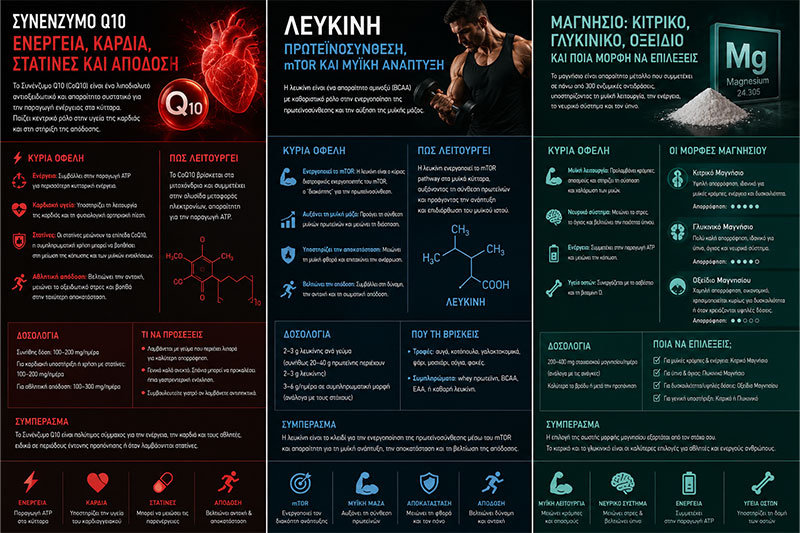 Magnesium is an essential mineral involved in more than 300 enzyme systems. It contributes to normal muscle and nerve function, energy production, protein synthesis, blood-glucose regulation and bone health. Magnesium supplements are available in several chemical forms. These forms differ in elemental-magnesium content, solubility, absorption and gastrointestinal effects. The best option depends on the actual amount of elemental magnesium, the intended use and individual digestive tolerance. What is elemental magnesium?The weight of a magnesium compound is not the same as the quantity of magnesium it supplies. A label stating “500 mg magnesium citrate” does not necessarily provide 500 mg of elemental magnesium. Products should be compared according to the amount specifically listed as: Magnesium: X mg This is the amount that should be used when calculating total supplemental intake. Magnesium citrateMagnesium citrate is generally more soluble and better absorbed than magnesium oxide. It can be a practical option for general supplementation, particularly when a mild laxative effect is also desirable. Higher amounts may cause loose stools, diarrhoea or abdominal discomfort. Magnesium glycinateMagnesium glycinate or bisglycinate consists of magnesium bound to the amino acid glycine. It is commonly selected by people who experience digestive discomfort with citrate or oxide. It is frequently marketed for relaxation and sleep. A 2025 randomised trial found a small improvement in insomnia severity after 250 mg of elemental magnesium from magnesium bisglycinate, although the effect was modest. Evidence does not establish magnesium glycinate as a universal treatment for insomnia. Magnesium oxideMagnesium oxide contains a relatively high proportion of elemental magnesium but usually has lower solubility and bioavailability than citrate, chloride, lactate and aspartate forms. It is inexpensive and often used in laxative or antacid products. Its disadvantages include lower absorption and a greater likelihood of digestive side effects. Magnesium chlorideMagnesium chloride is relatively soluble and is generally absorbed more effectively than magnesium oxide. Oral forms are available as capsules, powders and liquids. Evidence for meaningful absorption from topical magnesium oils and sprays remains substantially weaker than the evidence for oral supplementation. Which form is absorbed best?Available evidence generally favours more soluble forms such as magnesium citrate, chloride, lactate and aspartate over magnesium oxide. A practical selection may be:
Magnesium and sleepMagnesium is involved in normal neurological function, but clinical evidence for insomnia remains limited. A systematic review in older adults found a possible reduction in sleep-onset latency, although it included only three small trials. The improvement in total sleep duration was not statistically clear. A later review also found positive outcomes in some studies, but the results were inconsistent and the study designs varied substantially. Magnesium is therefore more likely to help when low intake or deficiency is present. It should not be regarded as a guaranteed sleep aid. Magnesium and muscle crampsMagnesium contributes to normal muscle contraction and nerve function, and severe deficiency can cause muscle contractions or cramps. However, not every muscle cramp is caused by low magnesium. Training fatigue, dehydration, medication and other factors may also be involved. Supplemental magnesium has not been shown to consistently prevent common exercise-associated cramps in people without deficiency. Dosage and safetyEFSA has established an upper level of 250 mg per day of magnesium from supplements, water and fortified products for forms associated with laxative effects. Magnesium naturally present in food is not included in this limit. Common adverse effects include diarrhoea, nausea and abdominal cramping. People with impaired kidney function require medical supervision because they may be unable to remove excess magnesium effectively. Magnesium may also interfere with the absorption of certain antibiotics and osteoporosis medications. Appropriate spacing may therefore be required. ConclusionNo single form of magnesium is ideal for every person. Magnesium citrate is generally well absorbed but may have a laxative effect. Magnesium glycinate is often better tolerated, although claims that it is uniquely effective for sleep remain insufficiently proven. Magnesium oxide provides a high elemental-magnesium content but is generally absorbed less effectively. The most appropriate choice depends on elemental-magnesium content, digestive tolerance, dietary intake and the intended use. Frequently asked questionsWhich magnesium form is best?Citrate and glycinate are practical options for general supplementation, depending on digestive tolerance and the intended purpose. Is magnesium glycinate best for sleep?It may help selected individuals, but current evidence does not establish it as the best treatment for insomnia. Can magnesium citrate cause diarrhoea?Yes. It may cause loose stools or diarrhoea, particularly at higher doses. Is magnesium oxide ineffective?It is not completely ineffective, but it generally has lower absorption and stronger laxative effects than several other forms. Does magnesium prevent muscle cramps?It may help when deficiency is present, but it does not consistently prevent all exercise-related cramps. References
|




(c) toubanaki.gr - All rights reserved - By: Hyper Center -