


 0
0

Taurine and Caffeine: Differences and Combined Use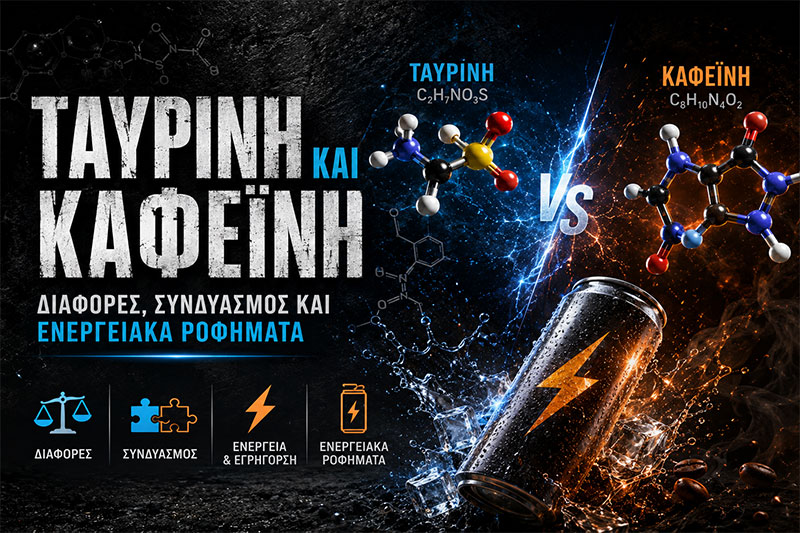 Taurine and Caffeine: Differences, Combined Use and Energy DrinksTaurine and caffeine often appear in the same energy drink, but they are neither chemically similar nor functionally interchangeable. Caffeine is a methylxanthine stimulant whose main action at typical dietary doses is antagonism of adenosine receptors. Taurine is a naturally occurring, sulfur-containing beta-amino acid involved in osmoregulation, calcium homeostasis, membrane stability and bile acid conjugation.[1] Taurine does not stimulate the central nervous system in the same way as caffeine and does not provide calories or metabolic “energy.” Therefore, stimulation experienced after an energy drink should not automatically be attributed to taurine. Why are they combined?Many commercial formulations include caffeine, taurine, sugars or sweeteners, vitamins and plant extracts. Studies of complete beverages cannot always identify which ingredient caused an observed effect. Earlier trials reported changes in attention or well-being, but the contribution of caffeine, taurine and glucose was often difficult to separate.[2] Research testing individual ingredients has found distinct, inconsistent cognitive effects.[3] What does the combined evidence show?A 2025 systematic review and network meta-analysis compared caffeine, taurine and their combination across physical, cognitive and physiological outcomes. The results suggest that the ingredients may influence different outcomes, but the underlying trials varied considerably in dose, population and protocol.[4] It is therefore inaccurate to assume that the combination is always synergistic or superior. Taurine has also not been shown to reliably neutralize caffeine-related adverse effects in every person. Proposed cardiovascular interactions remain insufficiently established in specifically designed human trials.[1] Energy drinks are not sports drinksEnergy drinks typically contain caffeine for stimulation. Sports drinks are formulated primarily to provide fluids, carbohydrates and electrolytes. The term “energy” does not establish effective hydration or suitability during exercise. Risk assessment should consider total caffeine from every source, consumption speed, body mass, individual sensitivity, sleep, strenuous exercise, heat, dehydration and co-use with alcohol or other stimulants.[5,6] ConclusionCaffeine is a central nervous system stimulant, whereas taurine has different cellular and metabolic roles. Evidence concerning their combination is heterogeneous and does not justify universal claims of synergy or safety. The caffeine dose, full ingredient profile and circumstances of consumption should always be evaluated. Frequently Asked QuestionsDoes taurine contain caffeine?No. They are separate chemical compounds. A product may contain either one or both. Is taurine a stimulant?No. Stimulation after an energy drink is more plausibly related to caffeine and the overall formulation. Is taurine plus caffeine better than caffeine alone?Not consistently. Findings vary by dose, outcome and population, and the evidence is heterogeneous. Can taurine cancel caffeine side effects?This has not been reliably demonstrated. Taurine should not be used to compensate for excessive caffeine intake. Are energy drinks suitable for hydration?They should not be confused with water or sports drinks. Suitability depends on the formulation and context of use. References
|




(c) toubanaki.gr - All rights reserved - By: Hyper Center -