


 0
0

Thermogenic fat burners: How they work, effectiveness, ingredients and safety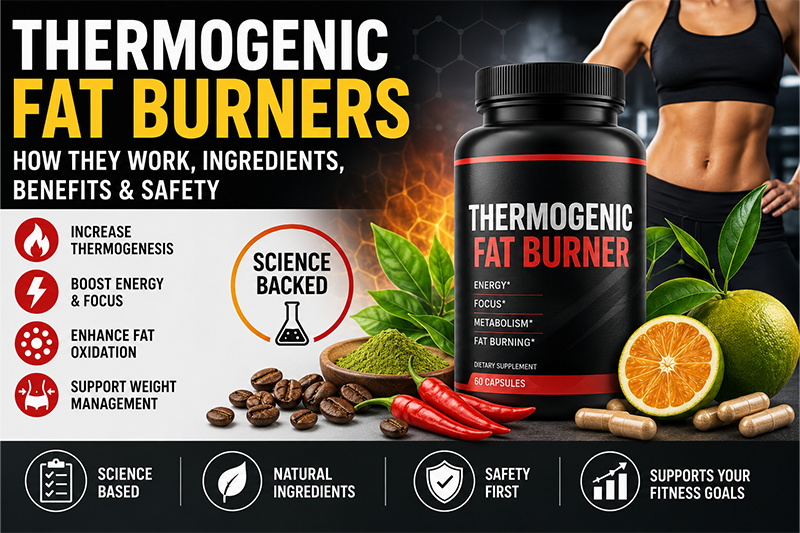 Thermogenic Fat Burners: How They Work, Effectiveness, Ingredients and SafetyIntroductionThermogenic fat burners are among the most popular categories of dietary supplements marketed for weight management and body fat reduction. The term “fat burner” is primarily a commercial term and does not mean that a supplement can directly dissolve or remove stored body fat. In practice, thermogenic supplements contain ingredients that may temporarily increase energy expenditure, thermogenesis, fatty acid oxidation or alertness. Some ingredients may also influence appetite or exercise performance. However, their overall effect on weight loss is usually modest and depends on diet, physical activity, sleep, duration of use and individual characteristics. Official evaluations of weight-loss supplements emphasize that the level of scientific evidence varies considerably between ingredients. Many studies are small, short-term or investigate combinations of multiple substances, making it difficult to determine the actual contribution of each individual ingredient. What Is Thermogenesis?Thermogenesis is the production of heat by the body during metabolic processes. A portion of the energy obtained from food is not stored or used for mechanical work but is released as heat. Total daily energy expenditure includes:
Certain stimulant or plant-derived compounds can temporarily increase sympathetic nervous system activity and heat production. However, this increase is generally limited and is not sufficient on its own to produce substantial body fat loss. How Are Thermogenic Fat Burners Supposed to Work?Thermogenic supplements may influence weight management through several different mechanisms. Increasing Energy ExpenditureIngredients such as caffeine can temporarily increase metabolic rate and energy expenditure. This effect is generally acute, lasts for several hours and may decrease with regular use because of the development of tolerance. Increasing Fat OxidationCertain substances may increase the use of fatty acids as an energy source, particularly during exercise or at rest. However, increased fat oxidation during a specific period does not necessarily result in net body fat loss. To reduce stored body fat, total energy expenditure must exceed total energy intake over time. Temporarily Reducing AppetiteStimulant ingredients, capsaicinoids and certain plant extracts may influence hunger or satiety. However, the results vary considerably between individuals. Supporting Exercise PerformanceCaffeine may increase alertness and reduce perceived fatigue. In this way, a thermogenic fat burner may indirectly support exercise intensity or duration. This effect does not represent direct “fat burning,” but it may increase total energy expenditure when it leads to a greater amount or higher quality of exercise. Can Thermogenic Fat Burners Cause Weight Loss?Body fat loss requires a sustained negative energy balance, meaning that total energy expenditure must be greater than total energy intake. Thermogenic fat burners cannot bypass this process. At best, they may provide modest supplementary support by increasing energy expenditure, alertness or appetite control. The National Institutes of Health notes that the available evidence for most weight-loss supplements remains unclear or unconvincing. A calorie-controlled diet and regular physical activity continue to form the basis of effective and long-term weight management. The Main Ingredients in Thermogenic Fat Burners1. CaffeineCaffeine is the most common active ingredient in thermogenic products. It may be listed directly as caffeine or may come from ingredients such as:
Caffeine stimulates the central nervous system and may temporarily increase thermogenesis, energy expenditure and fatty acid oxidation. The NIH states that regular consumption can lead to tolerance, causing its metabolic effects to weaken over time. A systematic review and meta-analysis of randomized trials, published online on 18 October 2018 and in print in 2019, concluded that caffeine intake may be associated with small reductions in body weight, body mass index and fat mass. However, the studies differed in dosage, duration and method of administration. Caffeine may therefore have a measurable thermogenic effect, but it should not be considered an independent method of fat loss. Caffeine SafetyThe European Food Safety Authority evaluated caffeine in a scientific opinion published on 27 May 2015. For the general population of healthy adults, EFSA concluded that:
These amounts represent safety assessment levels and not recommended doses for increasing thermogenesis. Possible adverse effects include:
The simultaneous use of coffee, energy drinks, pre-workout supplements and thermogenic products may increase total caffeine intake without the consumer realizing it. Certain plant-based sources of caffeine may be listed on the label without clearly stating the total amount of caffeine provided. 2. Green Tea and EGCGGreen tea is obtained from the plant Camellia sinensis and contains catechins, the most prominent of which is epigallocatechin-3-gallate, or EGCG. Green tea supplements often combine catechins with caffeine. This combination has been studied for its potential to increase thermogenesis and fat oxidation. A meta-analysis published in 2011 found that combinations of catechins and caffeine may slightly increase energy expenditure and fat oxidation. However, this metabolic effect does not always translate into significant or clinically meaningful weight loss. A Cochrane review published on 12 December 2012 concluded that green tea preparations produced a small and statistically non-significant amount of weight loss in overweight or obese adults. The size of the effect was considered unlikely to have meaningful clinical importance. A more recent network meta-analysis of 22 randomized trials, published online on 5 November 2024, found that green tea consumed as a beverage may produce a small reduction in body weight. The certainty of the evidence was rated as low to very low, while no clear effectiveness was identified in the subgroup of people with overweight or obesity. Safety of Green Tea ExtractGreen tea consumed as a beverage is not equivalent to a concentrated green tea extract. On 18 April 2018, EFSA announced that EGCG intakes of 800 mg per day or more from dietary supplements may be associated with early signs of liver damage. Although similar findings were not observed below 800 mg in the studies evaluated, EFSA was unable to establish a specific safe daily dose for concentrated catechin supplements. Possible adverse effects of green tea extracts include:
The total EGCG and caffeine content should therefore be assessed separately. 3. Capsaicin and CapsaicinoidsCapsaicin is the compound responsible for the hot sensation produced by chili peppers. It acts primarily through the TRPV1 receptor and has been studied for its potential to increase thermogenesis, energy expenditure, fat oxidation and satiety. An earlier meta-analysis of human studies, published online on 29 October 2011 and in the February 2012 issue, concluded that capsaicin and capsinoids may slightly increase energy expenditure and reduce the desire to eat. However, the magnitude of these effects was small. A more recent systematic review and meta-analysis was published online on 20 March 2023 and in the 14 November 2023 issue. The analysis reported average reductions of approximately:
The authors characterized the results as relatively small, while considerable heterogeneity was present between the included studies. Capsaicin may therefore provide limited support, but the available evidence does not justify expectations of substantial fat loss. Possible adverse effects include heartburn, a burning sensation, nausea, abdominal pain and gastrointestinal discomfort. 4. Synephrine and Bitter OrangeP-synephrine is an alkaloid compound found in bitter orange, Citrus aurantium. It is used in certain thermogenic products as an alternative stimulant ingredient. It has been suggested that synephrine may increase lipolysis and energy expenditure. However, the evidence for actual body weight reduction is not convincing. A systematic review and meta-analysis published on 28 September 2022 did not find significant long-term weight loss or improvements in body composition from synephrine. In contrast, prolonged use was associated with an average increase in systolic blood pressure of 6.37 mmHg and in diastolic blood pressure of 4.33 mmHg. Particular caution is required when synephrine and caffeine are used together. EFSA has stated that the long-term cardiovascular effects of this combination have not been adequately investigated. Individuals with hypertension, cardiovascular disease, cardiac arrhythmias or increased sensitivity to stimulants should not use such combinations without medical assessment. 5. Yohimbe and YohimbineYohimbe is derived from the bark of the African tree Pausinystalia yohimbe. Yohimbine is one of its main active constituents. Yohimbine acts as an alpha-2 adrenergic receptor antagonist and may increase sympathetic nervous system activity. It has been investigated for a possible effect on lipolysis, but the available evidence for weight loss is limited and inconsistent. The NIH states that there is insufficient evidence to support weight-loss claims and that yohimbe should only be used under medical supervision because of the risk of serious adverse effects. A retrospective analysis published online on 4 May 2010 examined reports of adverse events associated with yohimbine-containing products. Frequently reported symptoms included gastrointestinal symptoms, increased heart rate, anxiety, agitation and hypertension. These percentages were based on reported symptomatic cases and do not represent incidence rates in the general population. More serious complications may include:
For this reason, yohimbine cannot be regarded as a simple or low-risk thermogenic ingredient. Stimulant and Non-Stimulant Fat BurnersStimulant FormulasStimulant formulas commonly contain caffeine, guarana, yerba maté, green tea, synephrine or combinations of these ingredients. Their potential characteristics include:
However, they also carry a greater risk of insomnia, anxiety, increased heart rate and elevated blood pressure. Non-Stimulant FormulasNon-stimulant fat burners may contain capsaicinoids, L-carnitine, CLA, dietary fibre, plant extracts or other ingredients that do not directly stimulate the central nervous system. The absence of stimulants may be useful for individuals who do not tolerate caffeine or who exercise late in the evening. However, the term “stimulant-free” does not automatically mean that a product is effective or appropriate for everyone. L-carnitine and CLA, for example, are frequently included in the broader fat-burner category, but they are not classic thermogenic ingredients. Their effects on body weight are generally small and should not be confused with a direct increase in thermogenesis. How Should a Thermogenic Fat Burner Be Evaluated?A product should not be evaluated solely on marketing phrases such as “powerful formula,” “maximum strength” or “extreme fat burner.” More relevant information includes the following: The Exact Amount of CaffeineAll sources of caffeine in the product should be considered, along with caffeine consumed from coffee, tea, energy drinks and pre-workout supplements. The Declared Amounts of Active IngredientsExact ingredient amounts are preferable to non-transparent proprietary blends. When the amount of each ingredient is not disclosed, neither effectiveness nor safety can be properly assessed. Standardization of Plant ExtractsThe simple term “green tea” does not indicate how much EGCG or caffeine is present. Similarly, the declaration of Citrus aurantium does not, by itself, reveal the amount of p-synephrine. The Number of StimulantsThe presence of multiple stimulants does not guarantee better results. Instead, it may increase the likelihood of adverse effects. Manufacturer ReliabilityWeight-management products are a category in which undeclared pharmaceutical substances or ingredients that differ from the label have occasionally been identified. Product origin, transparency of composition and quality-control procedures are therefore particularly important. When Should Thermogenic Fat Burners Be Taken?There is no single universal time of administration that is appropriate for every product. Timing depends on:
Products containing caffeine are generally not suitable close to bedtime. Caffeine has a relatively long duration of action, and even 100 mg may affect sleep in certain adults when consumed late in the day. Sleep disruption may work against weight-management goals by affecting recovery, appetite regulation and exercise quality. The dosage stated on the label should not be exceeded, and different thermogenic or stimulant products should not be combined without professional guidance. Is a Break or Cycling Period Necessary?Tolerance to caffeine may gradually reduce the sensation of energy and part of its thermogenic effect. This often leads some users to increase the dose, a practice that raises the risk of adverse effects without guaranteeing a corresponding increase in fat loss. There is no scientifically established cycling protocol that applies to all thermogenic fat burners. The duration of use should be based on the product composition, individual tolerance, label warnings and assessment by a healthcare professional. The appearance of insomnia, severe anxiety, increased heart rate or elevated blood pressure does not indicate that the product is “working.” It is a reason to discontinue use and evaluate the situation. Who Should Be Particularly Careful?The use of thermogenic products without prior medical assessment is not appropriate for individuals with:
Particular caution is also required when antidepressants, stimulant medications, decongestants, blood-pressure medication, thyroid hormones or other medicines affecting the cardiovascular or nervous system are being used. Pregnant or breastfeeding women, children and adolescents should not use thermogenic products without clear medical advice. Possible Side EffectsThe most common adverse effects of stimulant thermogenic products include:
Concentrated green tea extracts may affect the liver, while capsaicin may cause heartburn and gastrointestinal irritation. Synephrine and yohimbine raise greater concern regarding cardiovascular and neurological adverse effects. Medical assessment is required when the following symptoms occur:
Thermogenic Fat Burners and ExerciseThermogenic fat burners do not replace aerobic exercise or resistance training. Resistance training contributes to the preservation of muscle mass during a calorie-restricted diet, while aerobic exercise may increase total energy expenditure. Caffeine may improve alertness and support exercise performance, but increased sweating or a sensation of heat are not reliable indicators of increased fat loss. Sweating primarily involves fluid loss for body-temperature regulation. A temporary reduction in body weight caused by fluid loss does not represent a reduction in body fat. Frequently Asked QuestionsDo Thermogenic Fat Burners Burn Fat Without Dieting?Not to a meaningful extent. Without control of total energy intake, the small increase in thermogenesis can easily be offset by additional food consumption. Can They Specifically Target Abdominal Fat?There is no thermogenic supplement that can determine the area of the body from which fat will be lost. Fat-loss distribution is mainly influenced by genetic, hormonal and individual factors. Does More Caffeine Mean Better Results?No. A higher dose increases the likelihood of adverse effects and does not guarantee a proportional increase in fat loss. In addition, the development of tolerance reduces part of the effect over time. Are Natural Ingredients Automatically Safe?No. Plant origin does not guarantee safety. Synephrine, yohimbine and concentrated green tea extracts are characteristic examples of natural ingredients that may cause significant adverse effects. Should They Cause Heavy Sweating?No. Heavy sweating does not prove that more fat is being burned. It may simply reflect the effect of stimulants, environmental temperature and fluid loss. ConclusionThermogenic fat burners may temporarily increase energy expenditure, fat oxidation or alertness. Caffeine is the most extensively studied thermogenic ingredient, while green tea and capsaicin may provide a small additional effect. Their effects on overall weight loss generally remain limited. The average changes reported in scientific studies are considerably smaller than those often implied by commercial product names and advertising claims. Synephrine and yohimbine have a more controversial benefit-to-risk profile because there is no convincing evidence of substantial weight loss, while cardiovascular or neurological adverse effects have been reported. A thermogenic fat burner does not replace:
When used, it should be regarded only as a supplementary tool and not as the primary factor responsible for fat loss. Scientific References
|




(c) toubanaki.gr - All rights reserved - By: Hyper Center -