


 0
0

Zinc for Athletes: Testosterone, Immunity and Performance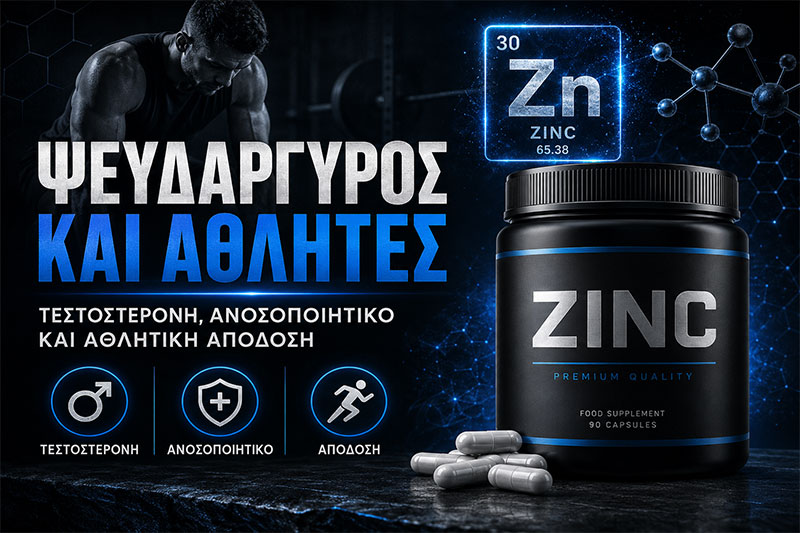 Zinc for Athletes: Testosterone, Immunity and Sports PerformanceZinc is an essential mineral involved in the activity of hundreds of enzymes. It supports protein and DNA synthesis, cell division, tissue repair and normal immune function. For athletes, adequate zinc intake is important for maintaining health, recovery and normal hormonal function. However, consuming more zinc does not autve physical performance. Why is zinc important for athletes?Zinc contributes to:
These roles explain why zinc is commonly included in mineral supplements, multivitamins and ZMA formulas. Its primary purpose is to maintain nutritional adequacy. Zinc is not considered a direct ergogenic ingredient comparable to creatine or caffeine, and it should not be expected to increase strength or muscle mass when zinc status is already adequate. Do athletes require more zinc?Regular intensive exercise may affect the distribution of zinc between the blood and body tissues. Small amounts can also be lost through sweat and urine. Research has found that athletes may have lower serum zinc concentrations than inactive individuals, even when their reported dietary intake is higher. However, serum zinc is influenced by inflammation, food intake, time of testing and recent exercise. A locy. There is currently no separate official zinc requirement that applies to every athlete. Dietary pattern, training volume and zinc bioavailability need to be assessed together. Zinc and testosteroneZinc contributes to the maintenance of normal testosterone levels in the blood. This authorised wording refers to maintaining normal levels, mal physiological range. Severe dietary restriction or zinc deficiency can be associated with reduced testosterone. Correcting thetore concentrations toward normal levels. In healthy athletes who already consume sufficient zinc, supplementation has produced inconsistent results. A controlled study involving cyclists found no significantestosterone after zinc supplementation. Zinc should therefore not be treated as a general testosterone booster. Its potential value is greater when it corrects inadequate intake or confirmed deficiency. Zinc, immunity and recoveryHard training, inadequate sleep, calorie restriction and accumulated fatigue can increase recovery demands. Zinc is required for the development and activation of several immune-cell populations. Deficiency may be associated with more frequent infections, reduced appetite, impaired wound healing and dysfunction in several body tissues. Adequate intake supports normal immune defences, but excessieater immune protection. Dietary sources of zincGood sources include:
Zinc from animal foods is generally more bioavailable. Plant foods contain phytates, which bind zinc and reduce its absorption. Athletes following vegetarian orfore require more careful dietary planning. Soaking, sprouting and fermenting legumes, seeds and grains may reduce phytate levels and improve zinc bioavailability. How much zinc is required?European average requirements vary according to sex and dietary phytate intake. EFSA estimates average requirements of approximately 6.2–10.2 mg per day for women and 7.5–12.7 mg per day for men. These figures refer nded supplement doses. Before using a supplement, total zinc intake from the following sources should be considered:
Using several products simultaneously can unintentionally produce a high total intake. Risks of excessive zinc intakeLong-term high-dose zinc supplementation may cause:
According to the NIH, zinc doses of 50 mg or more used for several weeks canbsorption and may reduce immune function. Zinc can also interact with certain antibiotics and medications. Professional guidance is advisable during pregnancy, long-term supplementation, chronic illness or concurrent medication use. ConclusionZinc is essential for normal protein synthesis, immune function and the maintenance of normal testosterone levels. For athletes, preventing deficiency is more important than taking high doses. Supplementation may be useful when dietary intake is inadequate or the risk of low zinc status is elevated. Current evidence does not show that excessive zinc intake reliably increases testosterone, strength or muscle growth in athletes who already meet their nutritional requirements. Frequently asked questionsDoes zinc increase testosterone?It may help restore normal levels when a deficiency is present. It has not been shown to reliably increase testosterone in healthy individuals with adequate zinc intake. Does zinc improve athletic performance?Zinc is not considered a direct performance-enhancing supplement. Correcting a deficiency may support normal physiological function, but additional zinc has not been shown to enhance performance beyond this effect. When should zinc be taken?There is no mandatory timing protocol. Zinc may cause nausea when taken on an empty stomach, so some individuals prefer to take it with a meal according to the product instructions. Can zinc be combined with magnesium?Yes. Zinc and magnesium are commonly combined in ZMA products. Total daily zinc intake from all supplements should still be calculated. Do all athletes need a zinc supplement?No. The need depends on dietary intake, the consumption of animal foods, training demands and factors that reduce zinc absorption. References
|



(c) toubanaki.gr - All rights reserved - By: Hyper Center -